What Happens When a Garage Door Spring Breaks Mid-Cycle?
- luiguigaragedoors@gmail.com
- Benson, NC / 150 Miles Of Coverage
- Mon to Sun 8:00 AM - 5:00 PM
October 9, 2026
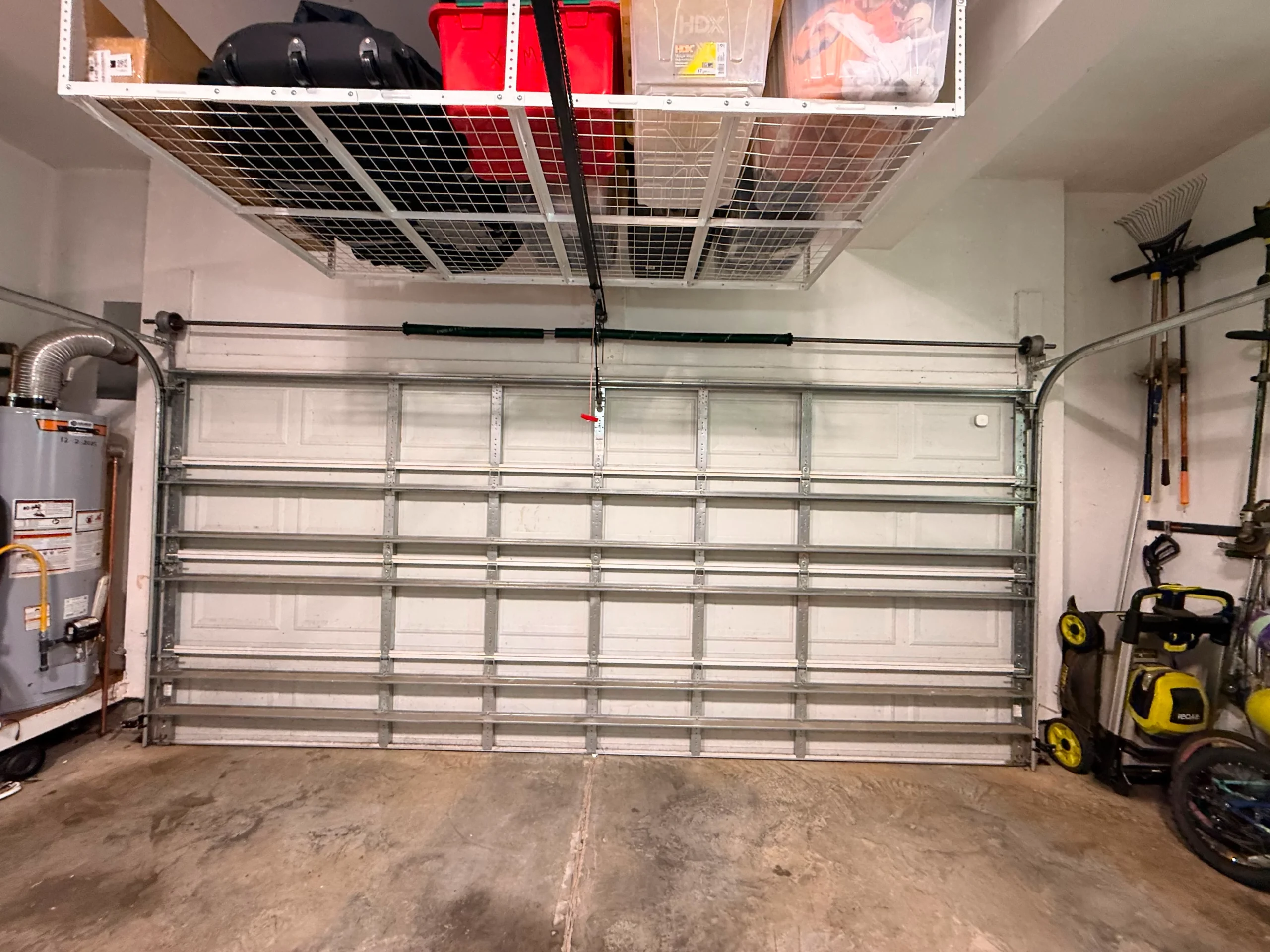
Garage door springs are the hardest-working component in the entire system. Every time the door opens or closes, the springs absorb and release the full weight of the door — hundreds of pounds, thousands of times over their lifespan. Standard residential torsion springs are rated for around 10,000 cycles, which works out to roughly 13 years at two cycles per day.
That rating assumes reasonable conditions. In reality, springs that are neglected, poorly lubricated, or under the wrong tension can fail significantly earlier. The good news is that a handful of straightforward maintenance habits can meaningfully extend spring life — and help you catch problems before they become an emergency.
This is the single most impactful thing a homeowner can do for spring longevity. Garage door springs are made of coiled steel, and steel corrodes — especially in garages without climate control, where humidity and temperature fluctuate with the seasons. Corrosion creates friction between the coils, accelerates metal fatigue, and causes springs to fail earlier than their rated cycle count.
Lubricating the springs reduces friction and slows corrosion. The right product matters:
To apply: with the door closed, spray a thin coat along the full length of the spring coils. Open and close the door once to work the lubricant into the coils, then wipe away any excess that drips onto the wall or door panels.
Spring tension is calibrated specifically for the weight of your door. When the door is properly balanced, the springs do exactly the amount of work they were designed for — no more, no less. An unbalanced door forces the springs (and the opener) to compensate, which puts extra stress on the system and shortens spring life.
To check your door’s balance:
If your door fails this test, call a professional to adjust the spring tension. Spring adjustment involves winding or unwinding the spring under significant tension — it’s not a DIY task and should not be attempted without proper tools and training.
Springs don’t usually fail without warning. The door starts to feel heavier than usual. The opener strains audibly when lifting. The door moves unevenly, one side rising faster than the other. These are early signs that a spring is losing tension or beginning to wear.
Catching these symptoms early matters for two reasons. First, a spring that’s losing tension puts extra load on the opener motor, shortening its lifespan as well. Second, when a spring breaks completely — which usually happens suddenly and with a loud bang — it can cause additional damage to cables, drums, and other hardware if the door drops unexpectedly.
If you notice any of the following, schedule a service call before the spring fails entirely:
Every open-and-close cycle counts against the spring’s rated lifespan. Most households use the garage door far more than they realize — often 6 to 10 times per day during busy periods. While it’s not practical to avoid using your garage door, being mindful of unnecessary cycles adds up over time.
Some households default to the garage door as the primary entry and exit point for the home, even for quick trips. Using a side door when practical, rather than opening the garage every time, reduces daily cycle count and extends the life of springs, cables, opener, and all other moving parts.
A professional maintenance visit accomplishes several things that routine homeowner care can’t. A technician will:
The cost of an annual maintenance visit is a fraction of what emergency spring replacement costs — and far less than the additional damage that can occur when a spring breaks without warning. For most households, once a year is sufficient; doors that see very high cycle counts may benefit from a check every six months.
When the time does come to replace your springs, it’s worth considering an upgrade to high-cycle springs rather than standard replacements. Standard residential torsion springs are typically rated for 10,000 cycles. High-cycle alternatives are available at 20,000 or 30,000 cycle ratings — two to three times the lifespan of a standard spring.
The upfront cost difference is modest compared to the savings on future replacement labor and the convenience of not dealing with another spring failure for many years. If you operate your garage door frequently or want to minimize future maintenance, high-cycle springs are worth discussing when you schedule a replacement.
At Luigi Garage Door System LLC, we handle spring inspections, tension adjustments, lubrication services, and full spring replacements throughout Benson, NC and within a 150-mile radius. If your door isn’t moving the way it used to — or if you just want a professional set of eyes on your springs before something breaks — we’re happy to take a look.
We’ve been serving Benson, NC homeowners for over 14 years and offer 24/7 emergency availability for situations that can’t wait.
Contact us online to schedule a garage door spring inspection or maintenance visit in Benson, NC and surrounding areas. Free estimates available.
At Luigui Garage Door System LLC, we are committed to providing you with quality service that guarantees the functionality and security of your garage door.
Call us when you need it, we’re here to help!
With 14 years of experience in the industry, we offer high quality residential and commercial services in Benson, NC, and the surrounding areas. Our commitment is to provide you with fast, safe and efficient solutions within a 150 mile radius.
(919) 586-4696
luiguigaragedoors@gmail.com
Benson, NC / 150 Miles Of Coverage
Copyright© 2024 Luigui Garage Door System LLC, All rights reserved. Powered by Orbis Advisers