How Long Do Garage Door Openers Last Before Needing Repair or Replacement?
- luiguigaragedoors@gmail.com
- Benson, NC / 150 Miles Of Coverage
- Mon to Sun 8:00 AM - 5:00 PM
July 24, 2026
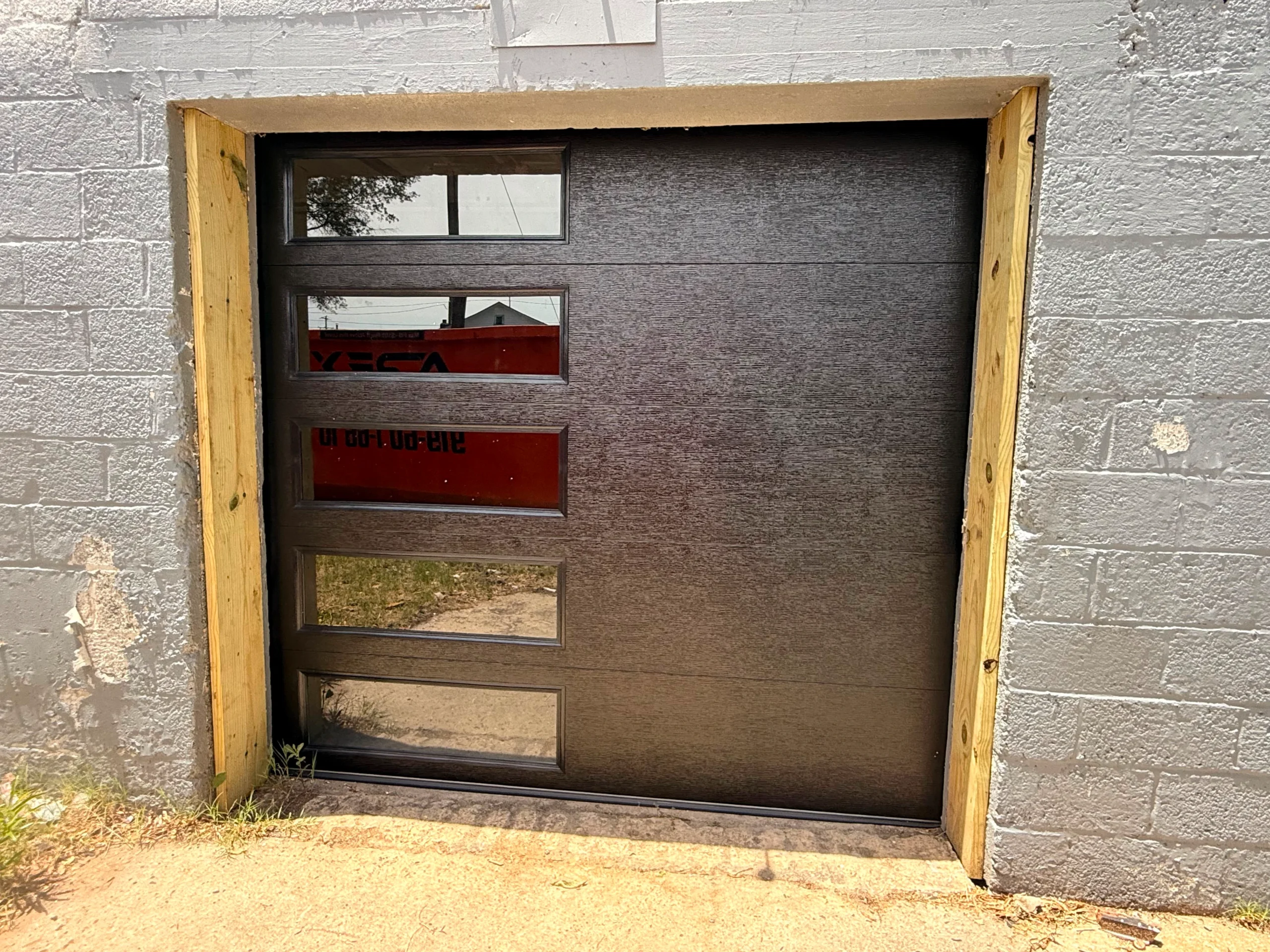
Your garage door is one of the largest moving components of your home, and it’s constantly exposed to changing weather conditions. From freezing temperatures and heavy rain to intense summer heat and strong winds, every season can affect your garage door’s performance, safety, and lifespan.
Understanding how weather impacts your garage door allows homeowners to perform preventive maintenance, avoid unexpected breakdowns, and protect their investment. In this guide, we’ll explore how each season influences your garage door and provide practical maintenance tips to keep it operating smoothly all year long.
Garage doors are made from materials such as steel, aluminum, wood, fiberglass, and vinyl. These materials naturally expand, contract, absorb moisture, or become brittle depending on temperature and humidity.
Additionally, essential components—including springs, rollers, tracks, cables, seals, and openers—must work together under changing environmental conditions. Without regular maintenance, seasonal weather can lead to premature wear and expensive repairs.
Routine inspections and seasonal tune-ups help extend the life of your garage door while improving safety and reliability.
Spring is the ideal time to inspect your garage door after months of cold weather.
Winter often leaves behind moisture, rust, and accumulated debris that may interfere with normal operation.
Performing these simple maintenance tasks can significantly reduce repair costs later in the year.
Although many homeowners associate garage door problems with winter, high summer temperatures can be equally damaging.
Metal components expand during hot weather, while prolonged UV exposure may deteriorate weather seals and certain garage door finishes.
Tracks may expand slightly, affecting door alignment.
High temperatures can dry out lubricants, causing noisy operation.
Sunlight can crack rubber seals, allowing dust, insects, and hot air inside.
Frequent operation during hot days may cause openers to overheat, particularly older models.
Keeping components lubricated helps reduce friction during periods of intense heat.
Autumn is the perfect season for preventive maintenance before winter arrives.
Leaves, dust, and changing temperatures can gradually affect your garage door’s performance.
If your garage door is not properly balanced, your opener must work harder, shortening its lifespan.
A professional inspection during the fall can identify small issues before they become major repairs.
Cold temperatures place the greatest amount of stress on garage door systems.
Metal contracts, lubricants thicken, and moisture may freeze around moving components.
Cold temperatures make metal more brittle, increasing the likelihood of spring failure.
Moisture can freeze the bottom seal to the ground, preventing the garage door from opening.
Thicker lubricants create additional resistance, slowing the door’s movement.
Cold weather reduces battery performance in remotes and wireless keypads.
Frozen components force the opener to work harder than intended.
If the door will not open naturally, forcing it can damage the opener or break the springs.
Rain is another major factor affecting garage door performance.
Excess moisture can cause corrosion, swelling, and electrical issues if ignored.
Moisture may eventually cause rust if protective coatings become damaged.
Wood naturally absorbs moisture, causing expansion, warping, and potential cracking as it dries.
Garage door openers, wall controls, and safety sensors should remain protected from excessive moisture.
Proper sealing helps prevent water intrusion into your garage.
Strong winds can place tremendous pressure on garage doors, especially during severe storms.
Signs of wind damage include:
Homeowners living in areas with frequent storms should consider installing wind-rated garage doors that meet local building codes.
Insulated garage doors perform better throughout every season.
Benefits include:
Insulated doors also reduce stress on garage door openers because they maintain greater structural stability.
Following a simple maintenance schedule helps extend the life of your garage door.
Preventive maintenance costs far less than emergency repairs or complete garage door replacement.
Call a professional if you notice:
Ignoring these warning signs can lead to more extensive and expensive repairs.
Every season presents unique challenges for your garage door. Heat, cold, humidity, rain, and storms all contribute to wear over time, making regular maintenance essential for reliable performance.
By scheduling seasonal inspections, lubricating moving parts, replacing worn weather seals, and addressing small issues early, you can extend the lifespan of your garage door, improve your home’s safety, and avoid unexpected repair costs.
Whether your garage door needs routine maintenance, repairs, or a complete replacement, working with experienced professionals ensures your system continues operating efficiently throughout every season.
At Luigui Garage Door System LLC, we are committed to providing you with quality service that guarantees the functionality and security of your garage door.
Call us when you need it, we’re here to help!
With 14 years of experience in the industry, we offer high quality residential and commercial services in Benson, NC, and the surrounding areas. Our commitment is to provide you with fast, safe and efficient solutions within a 150 mile radius.
(919) 586-4696
luiguigaragedoors@gmail.com
Benson, NC / 150 Miles Of Coverage
Copyright© 2024 Luigui Garage Door System LLC, All rights reserved. Powered by Orbis Advisers